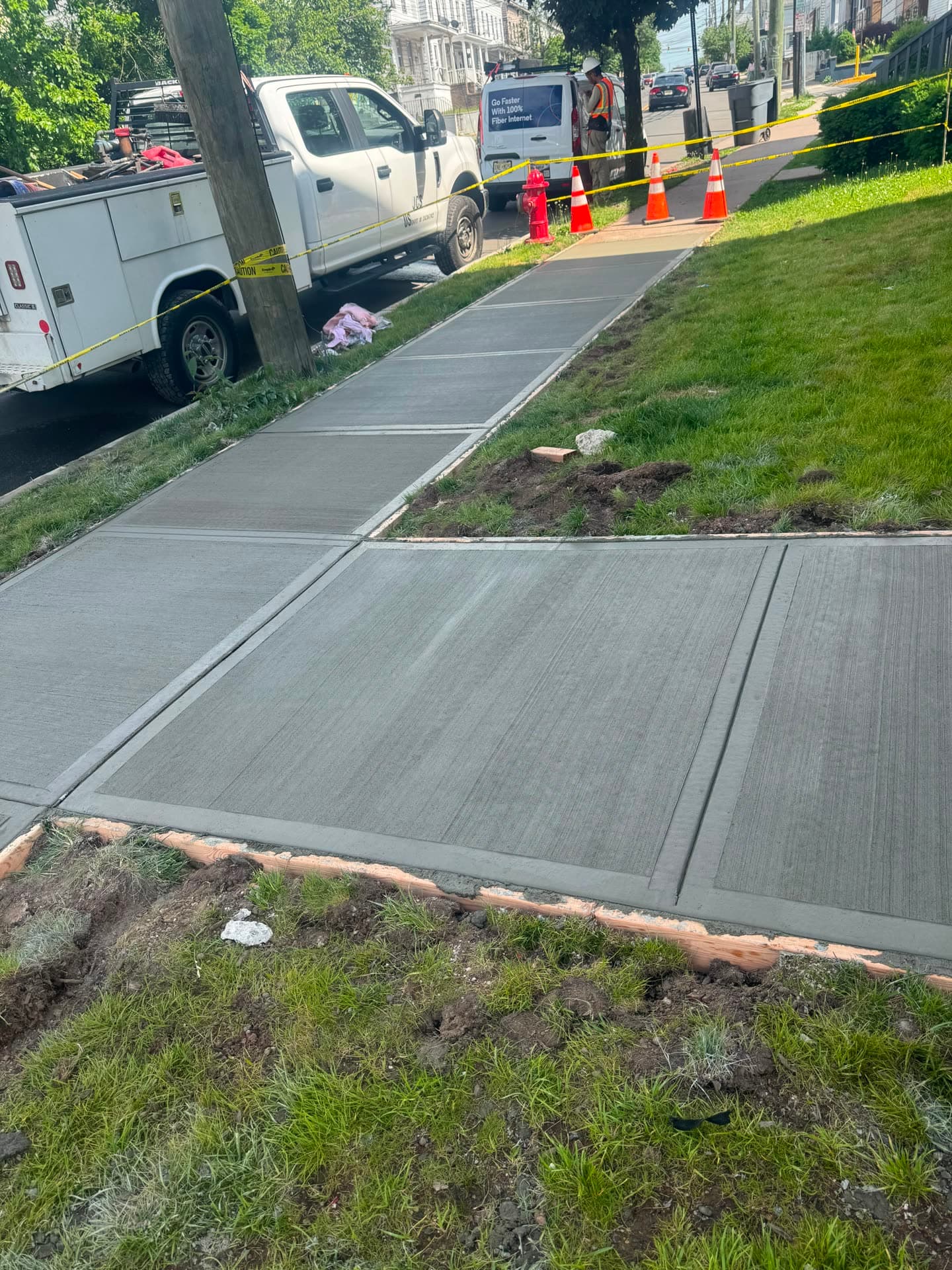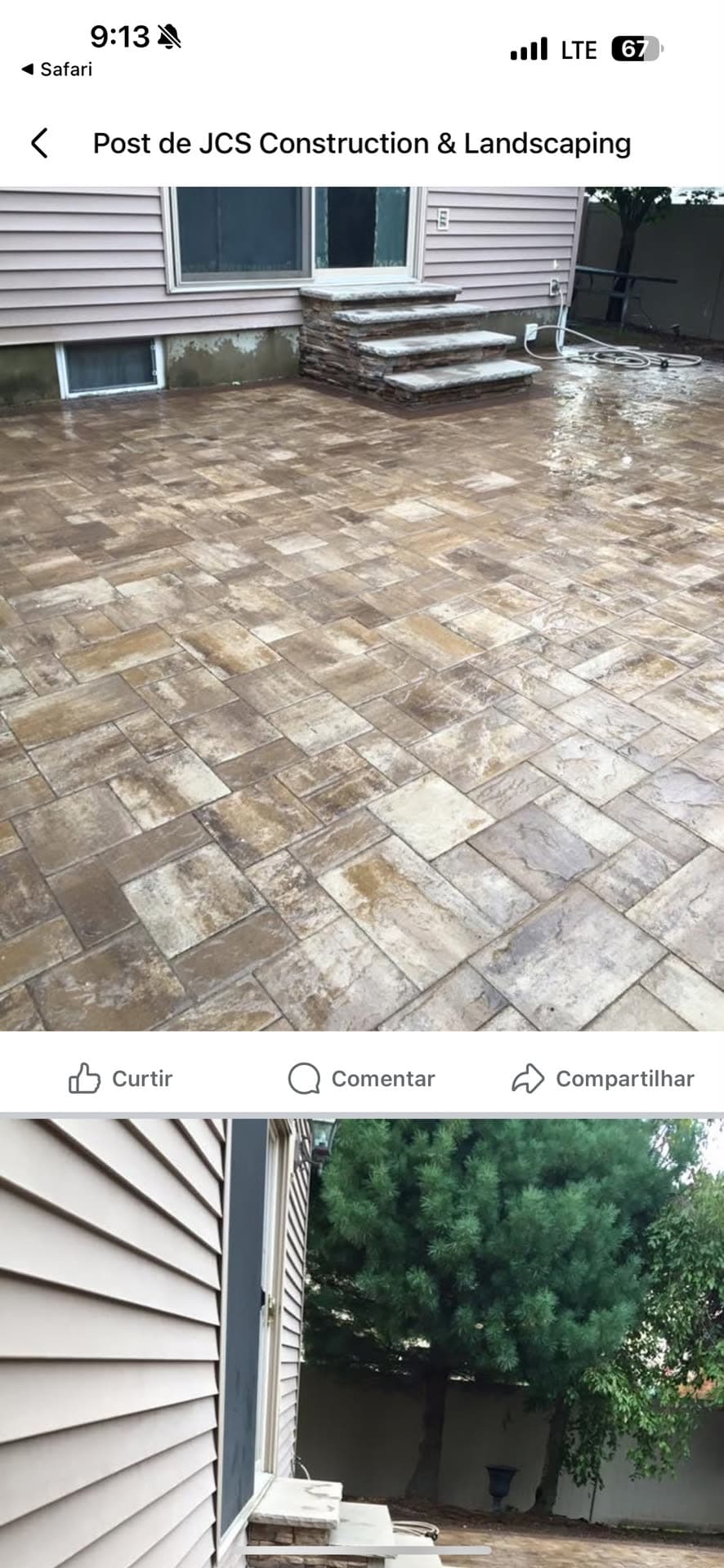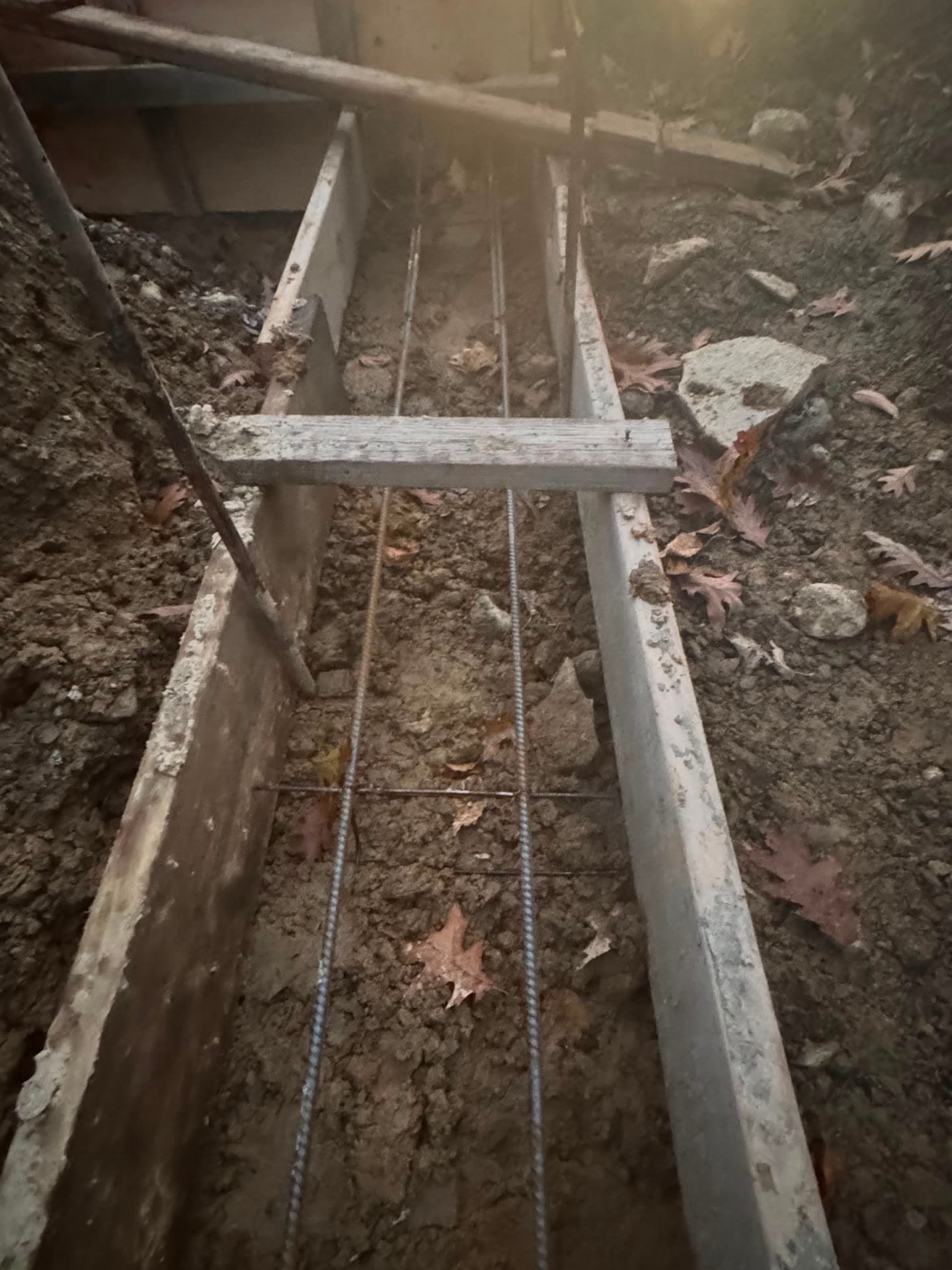
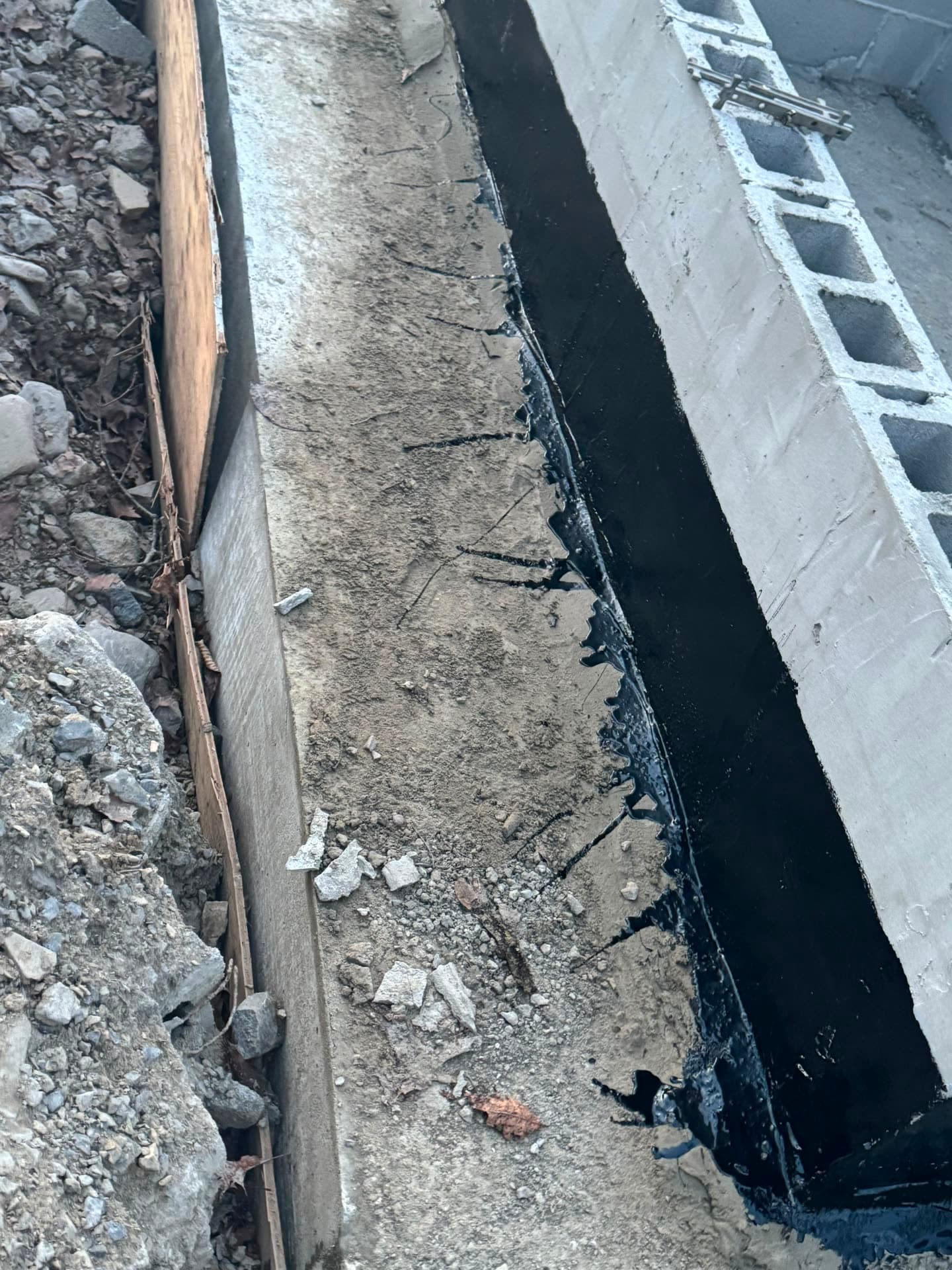
If you are planning a new foundation, a driveway, a patio, or any project that starts with a shovel in the ground, the calendar matters more than most homeowners expect. Concrete and excavation are both weather-driven trades, and New Jersey gives you all four seasons in full force, from frozen January mornings in Union County to humid, ninety-degree July afternoons.
The season you choose affects how the ground digs, how the concrete cures, how long the project takes, and how much surprise cost can creep in when the weather does not cooperate. Getting the timing right protects the finished work and keeps the schedule predictable.
Here is a straight, season-by-season look at how each part of the year treats concrete and excavation in New Jersey, why temperature and moisture are the deciding factors, and how to book so that weather works with you instead of against you.
Why Temperature and Curing Decide Everything
Concrete does not simply dry. It cures through a chemical reaction called hydration, and that reaction is sensitive to temperature. The generally accepted sweet spot for placing and curing concrete is roughly 50 to 85 degrees Fahrenheit. Inside that band, the mix gains strength on a predictable curve and finishes clean.
When it gets too cold, hydration slows down or stops. Fresh concrete that freezes before it reaches enough strength can lose a large share of its final durability and end up with surface scaling and cracks. Cold-weather pours are still possible with blankets, heated enclosures, accelerators, and careful mix design, but every one of those adds cost and complexity.
When it gets too hot and dry, the opposite problem shows up. The surface loses moisture faster than the slab can hold it, which leads to shrinkage cracking and a weaker top layer. Hot-weather pours are handled with early morning starts, curing compounds, and constant moisture control, but again, that is extra work to fight the conditions.
How the Ground Itself Affects Excavation
Excavation has its own seasonal rules, and they do not always line up with concrete. The big enemy is frozen ground. New Jersey winters push frost down into the soil, and frozen earth is dense, slow, and hard on equipment. Digging through frost costs more time and often more money, and backfilling over frozen soil is a recipe for settling later.
Spring brings the opposite issue: saturated, muddy soil. After the thaw and the spring rains, clay-heavy New Jersey ground can hold water for weeks. Wet soil is unstable, trenches are prone to collapse, and machines can bog down or rut a yard badly. Early spring often means waiting for the ground to drain before serious digging is safe and clean.
By late spring and into summer, the ground has usually dried and firmed up, which is why that stretch is prime excavation season. Fall soil is typically stable too, right up until the first hard freezes return.
Season by Season in New Jersey
Every season can work with the right planning, but each one carries a clear profile of advantages and trade-offs. Here is the quick summary for both trades.
- Spring: Warming temperatures are good for concrete, but early spring soil is often wet and muddy, so excavation may need to wait for the ground to drain. Late spring is excellent for both.
- Summer: Long days and reliable warmth make it a strong season overall. Watch the peak heat and dry spells for concrete, which call for early starts and careful curing. Excavation ground is at its firmest.
- Fall: Frequently the best all-around window. Mild, stable temperatures, drier and firmer soil, and lower risk on both the pour and the dig. Book early, because it fills up fast.
- Winter: The toughest season for both. Frozen ground slows excavation, and cold-weather concrete needs blankets, enclosures, or accelerators to cure safely, which adds cost. Doable for the right project, but rarely the cheapest or fastest.
Why Late Spring Through Fall Is the Sweet Spot
Put the two trades together and the pattern is clear. Late spring through fall is when the ground is firm enough to dig cleanly and the air is warm enough to cure concrete without special measures. That overlap is the window where a project moves smoothly from excavation to forms to a finished pour, with the fewest weather-driven surprises.
Working inside that window usually means faster schedules, cleaner finishes, and fewer add-on costs for heating, protection, or dewatering. It also means the crew is not fighting the conditions on every step, which shows up in the quality of the final work.
None of this means winter or early spring projects are off the table. Skilled crews pour and dig year round in New Jersey. It simply means the off-season carries more variables, and those variables tend to cost money and time.
Why Booking Early Beats Waiting
Because so much good work is concentrated into the same warm months, the best contractors in Union County and across New Jersey fill their prime-season calendars well ahead of time. Homeowners who wait until the perfect week arrives often find the schedule already booked, which can push a project into a less ideal stretch of the year.
Booking early does the opposite. It reserves a slot in the sweet spot, gives time for permits and site prep to happen without a rush, and lets the crew plan the pour around the best available weather rather than whatever day is left.
As for cost, concrete and excavation pricing swings with project size, access, soil conditions, and how much site prep is involved, so any figure here would only be a broad market range. The honest answer is that the right number for your property comes from a look at the site. A free estimate gives you a real scope and price instead of a guess.
How Weather Delays Get Handled
Even in the ideal window, New Jersey weather can turn. A heavy rain the night before a pour, an unexpected cold snap, or a stretch of extreme heat can all push a date. Good scheduling builds in that flexibility instead of pretending the forecast will always cooperate.
On the concrete side, that means watching the forecast closely and moving a pour a day or two rather than placing it into conditions that will hurt the finish. On the excavation side, it means letting saturated ground drain before digging so the trench stays stable and the yard stays intact.
A short, weather-driven delay is not a sign of a problem. It is the crew protecting the result. The goal is always concrete that cures to full strength and excavation that holds, which is worth waiting a day or two of bad weather to get right.
Free Estimate
Talk to a Local Contractor
Jose Carlos and the JCS crew serve Elizabeth and Union County. Get a written estimate with no pressure.
Related Services
Serving