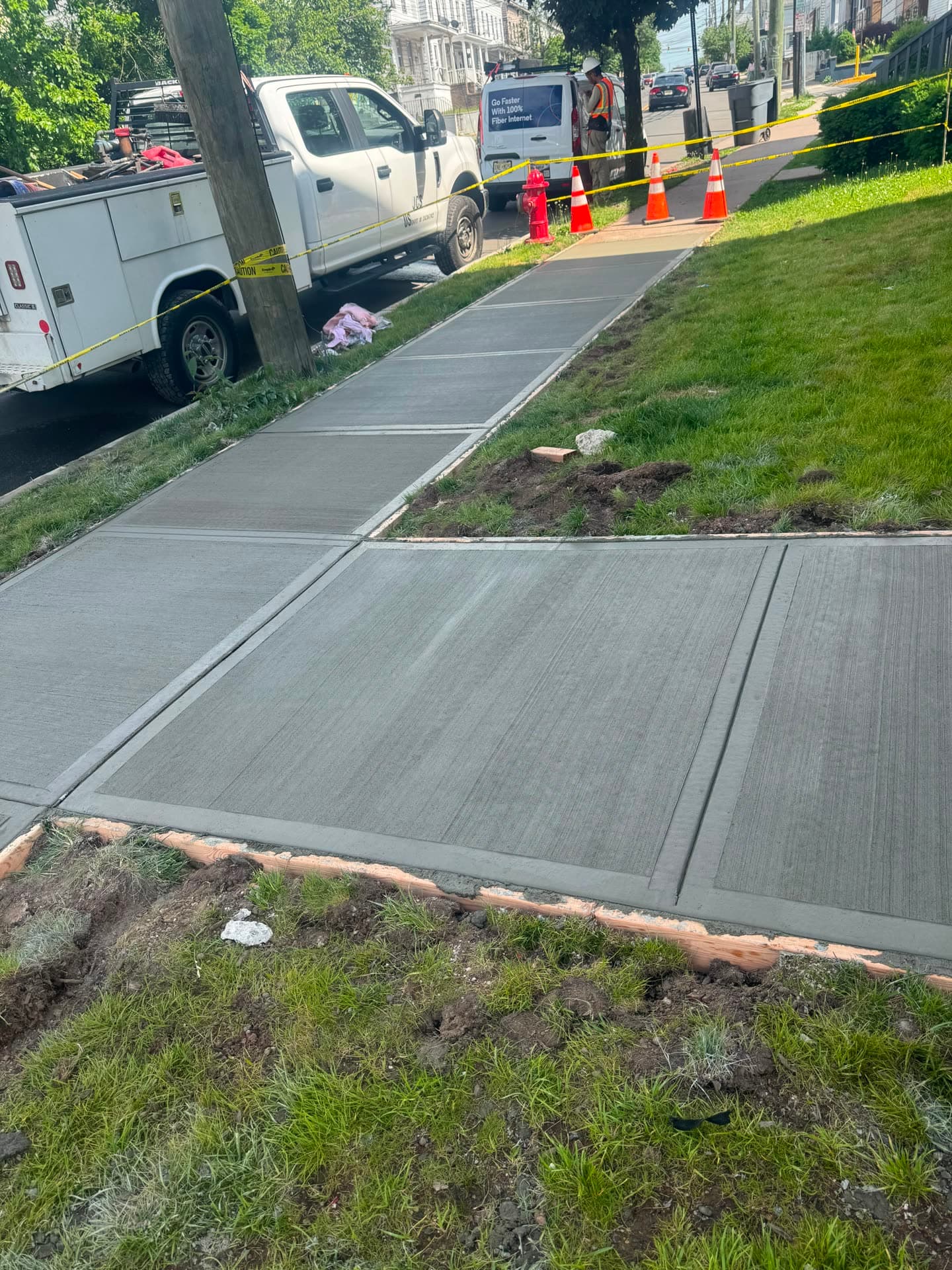
If you are pricing a new concrete driveway in New Jersey, the first thing to know is that there is no single sticker price. Two homes on the same street can get very different numbers, and both can be fair. The cost depends on the size of the slab, how much prep the site needs, the finish you choose, and how the crew has to work around your property.
This guide walks through what actually moves the price, shares realistic market ranges for 2026, and explains a few things that are specific to pouring concrete in New Jersey. Every number here is a general range to help you plan, not a quote. The only way to know what your driveway will cost is a written estimate based on your actual site.
JCS Construction pours concrete driveways for homeowners across Elizabeth and the surrounding Union County area, and estimates are free. Use the ranges below to set expectations, then get a real number in writing before you commit.
What Drives the Cost of a Concrete Driveway
Concrete driveway pricing is usually quoted by the square foot, but that number is really a bundle of several cost drivers stacked together. Understanding them helps you read any estimate you receive and spot where the money is going.
Here are the factors that most often change the final price:
- Size (square footage): the biggest single driver. A longer or wider driveway means more concrete, more labor, and more finishing time.
- Thickness: a standard residential driveway is often around 4 inches, but going to 5 or 6 inches for heavier vehicles adds material cost.
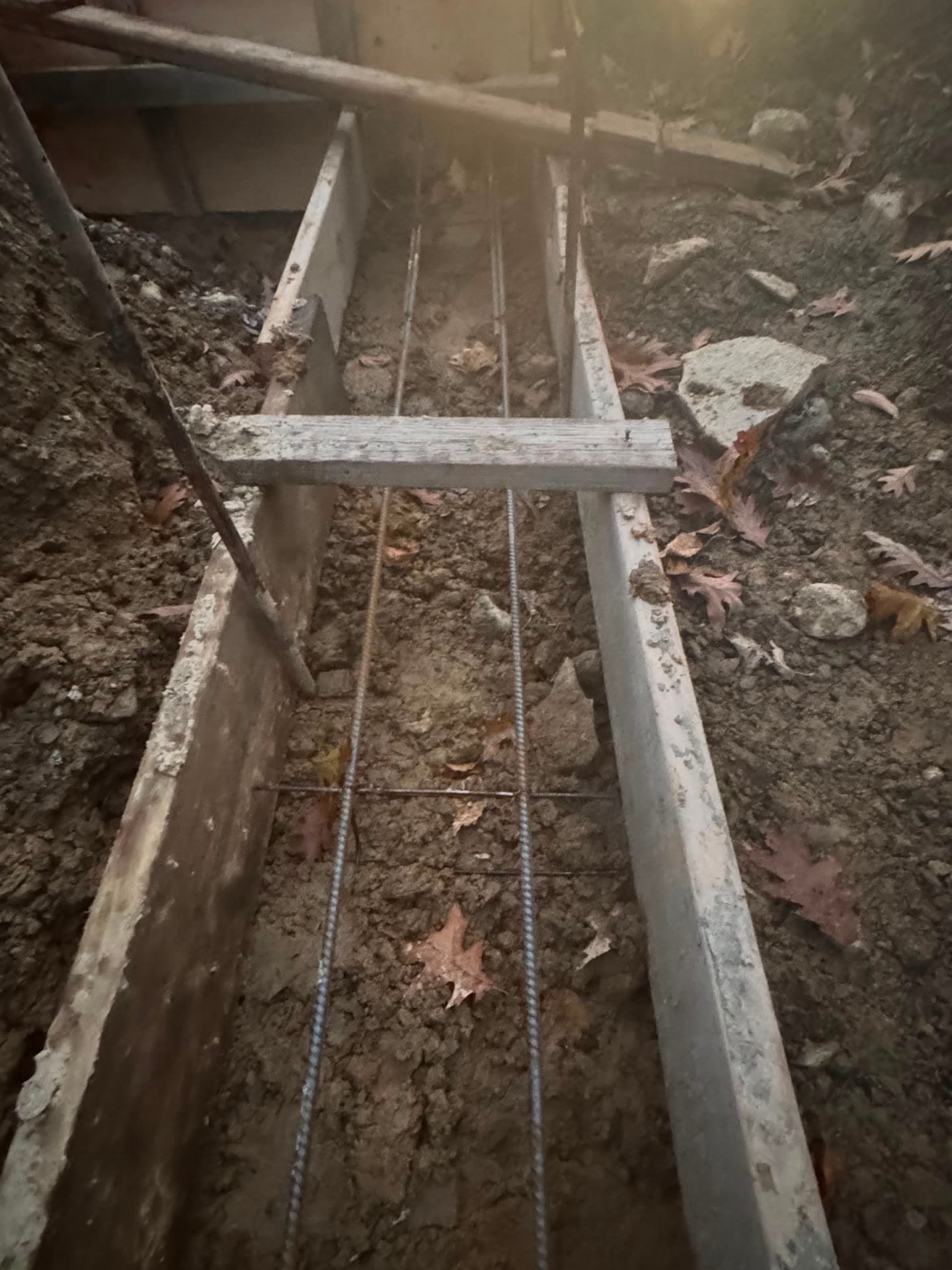
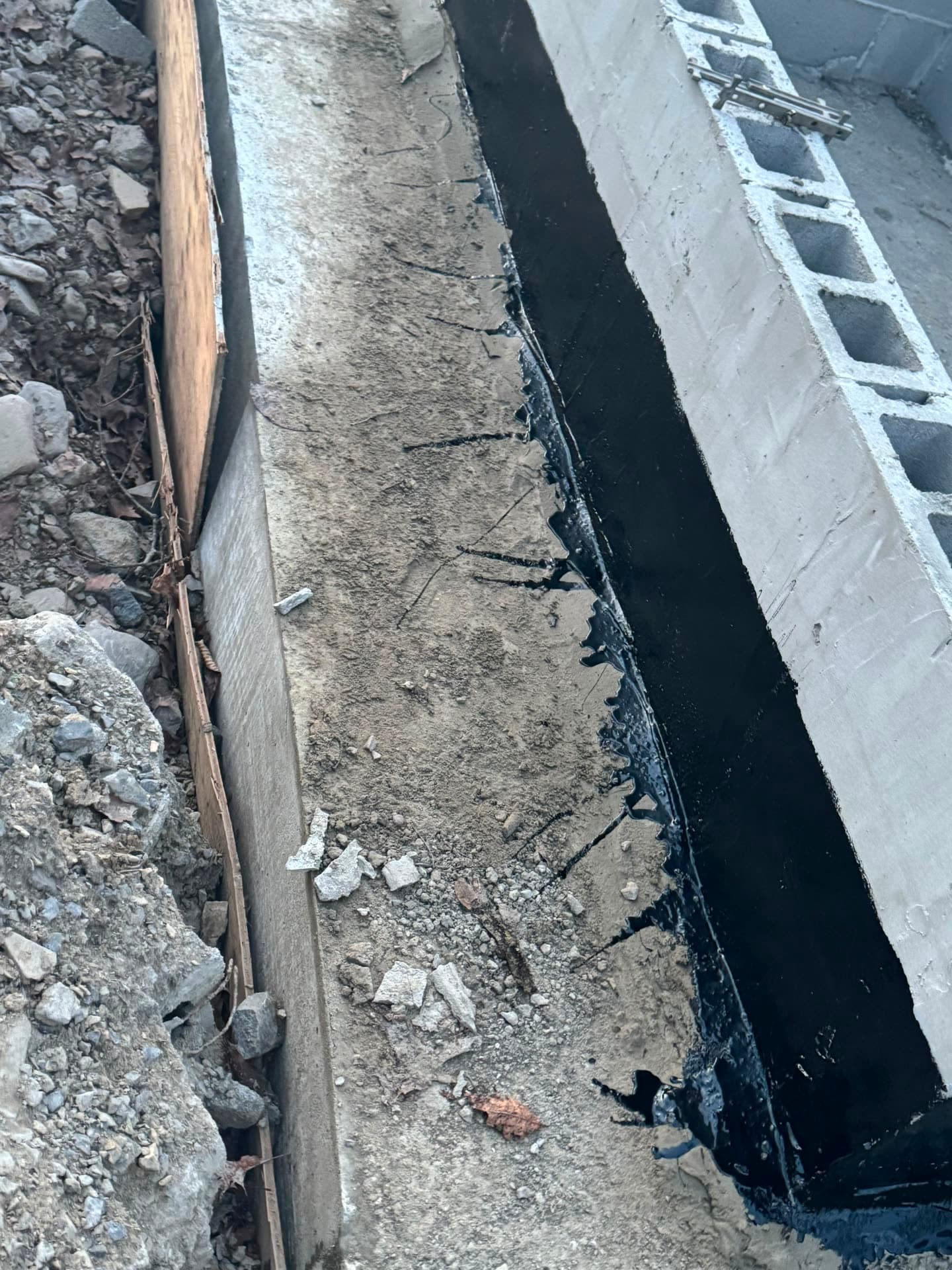
- Site prep and excavation: grading, digging out soil, and building a compacted gravel base all take time and equipment.
- Removing an old slab: tearing out and hauling away an existing driveway is a separate line item that many homeowners forget.
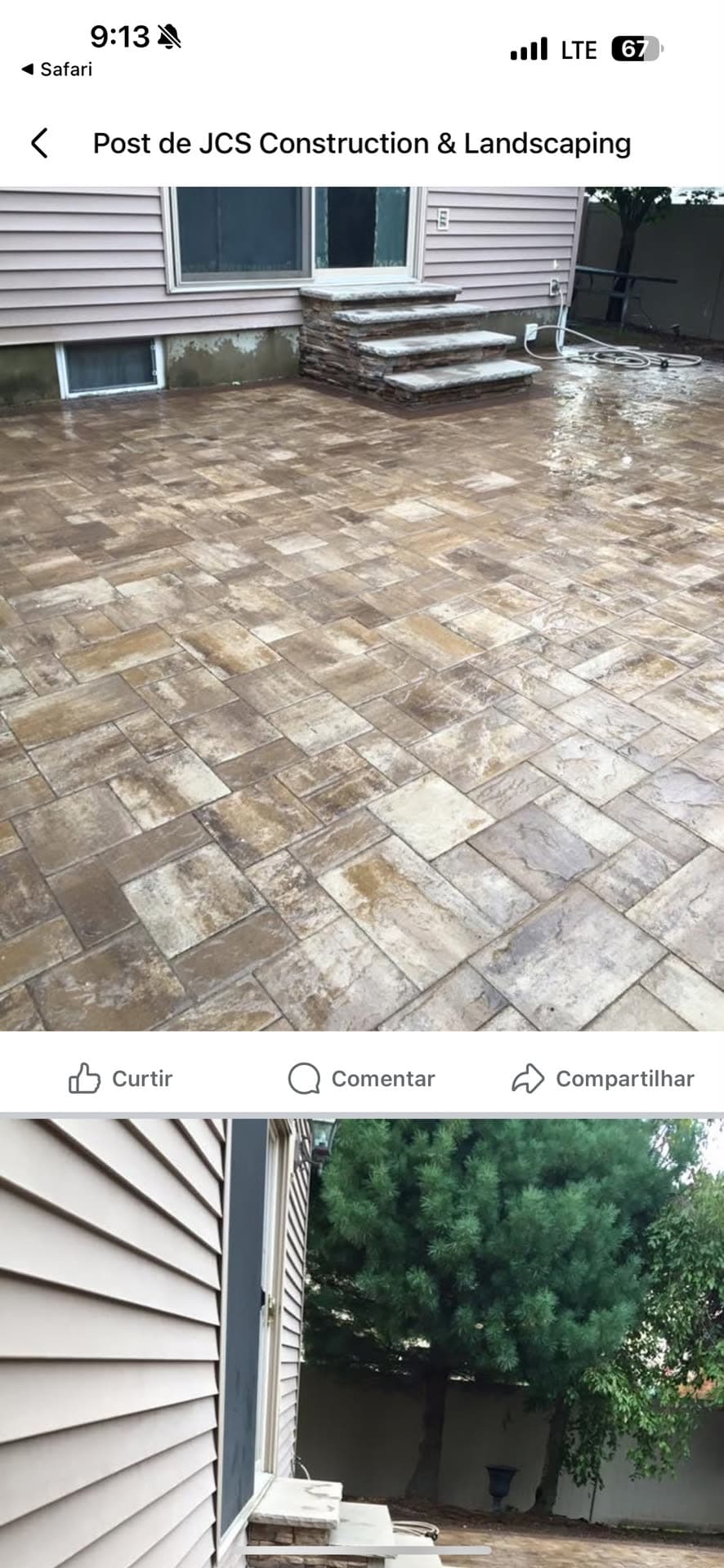
- Finish: a standard broom finish costs less than a decorative option like stamped concrete or exposed aggregate.
- Reinforcement: rebar or wire mesh adds strength and cost, and is often recommended for durability.
- Access and layout: tight lots, slopes, and hard-to-reach pours can slow the crew down and raise labor.
Typical Concrete Driveway Price Ranges in New Jersey
As a rough guide, most standard concrete driveways in New Jersey fall somewhere in the range of roughly 8 to 15 dollars per square foot for a basic broom finish in 2026. On a typical two-car driveway of around 600 square feet, that often works out to a few thousand dollars, but your number can land above or below that band depending on the factors above.
Decorative finishes usually cost more. Stamped concrete and exposed aggregate can run noticeably higher per square foot than a plain broom finish because they involve extra materials, more labor, and more finishing skill. In many cases they add meaningfully to the total, so it helps to decide early whether the look is worth the difference for you.
Extras stack on top of the base price. Tearing out an old slab, heavy excavation, thicker pours, and reinforcement are typically separate costs. These ranges are market estimates to help you plan and are not a quote. For a real figure, ask for a free written estimate based on your driveway.
Why New Jersey Specifics Matter
New Jersey winters put concrete through repeated freeze and thaw cycles. Water that soaks into the slab can freeze, expand, and cause cracking or surface damage over time. That is why proper base preparation, correct thickness, control joints, and often reinforcement matter so much here. Cutting corners on prep to save money up front usually costs more in repairs later.
Drainage is another local factor. A driveway needs to shed water away from your home and garage, not toward them. Getting the slope and grading right protects your foundation and keeps the slab from sitting in standing water. This is part of why a quick phone quote rarely matches the real cost: the crew needs to see how your property drains.
Permits can also apply. Many New Jersey municipalities require a permit for a new or replacement driveway, and rules vary by town. A reputable contractor will factor local permit requirements into the plan so there are no surprises partway through the job.
Concrete vs Asphalt: The Cost Angle
Homeowners often weigh concrete against asphalt. As a general rule, asphalt tends to cost less up front, while concrete typically costs more to install but lasts longer and needs less frequent maintenance. Concrete also offers decorative finishes that asphalt cannot match.
The right choice depends on your budget, how long you plan to stay, and the look you want. If lowest up-front price is the priority, asphalt may win. If you want a longer-lasting surface with more design options, concrete is often worth the higher initial cost. A good estimate should walk you through both so you can decide with real numbers instead of guesses.
How to Get an Accurate Quote
The most reliable estimates come from an on-site visit, not a number pulled over the phone. A contractor who sees your property can measure the exact square footage, check the condition of any existing slab, look at drainage and access, and confirm whether a permit is needed.
When you compare quotes, make sure each one spells out the same details: thickness, whether reinforcement is included, the finish, removal of the old driveway, and prep work. A price that looks low may simply be leaving something out that another bid includes. Getting everything in writing lets you compare fairly.
Ways to Control the Cost
You have more control over the final price than you might think. A few practical choices can keep the project within budget without cutting into quality where it counts.
- Choose a broom finish over decorative stamping if budget is tight, and save the upgrade for a smaller feature area.
- Keep the driveway footprint efficient rather than expanding it more than you need.
- Bundle related work, like a walkway or patio, into one pour to save on mobilization.
- Do not skimp on base prep or reinforcement, since that is where cutting costs tends to backfire in a freeze-thaw climate.
- Schedule outside peak season if you can, and ask whether timing affects pricing.
- Get a clear written estimate first so you can plan the budget before any work begins.
Free Estimate
Talk to a Local Contractor
Jose Carlos and the JCS crew serve Elizabeth and Union County. Get a written estimate with no pressure.
Related Services
Serving