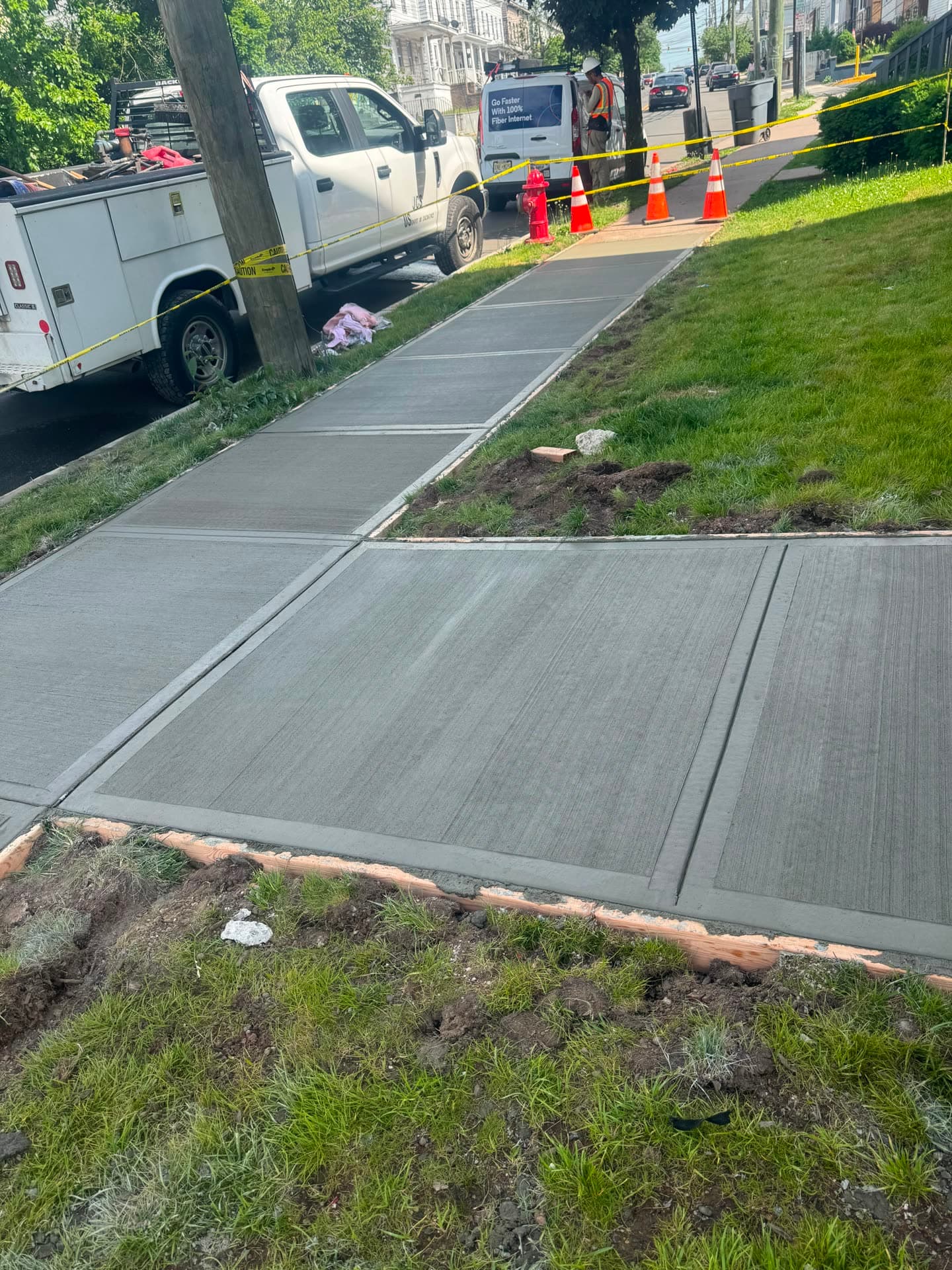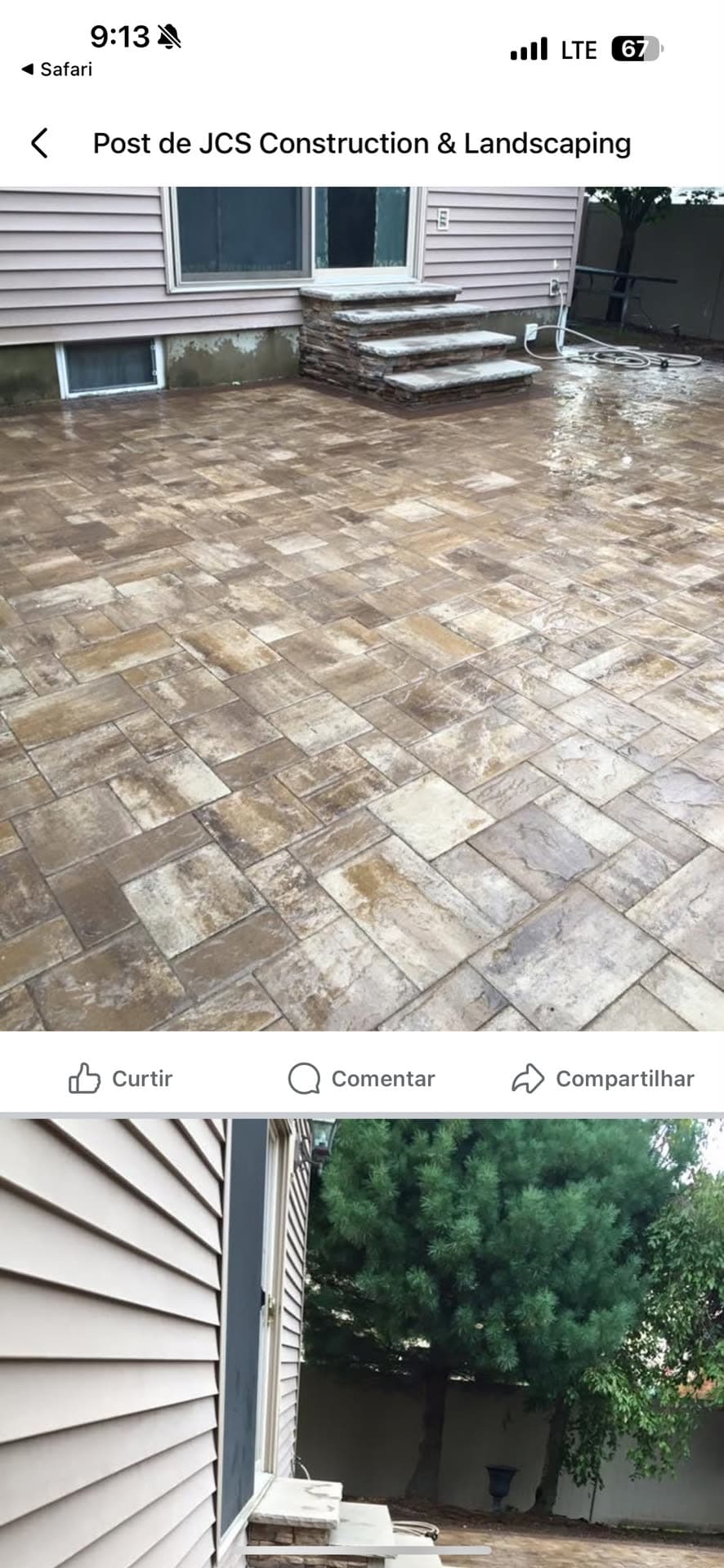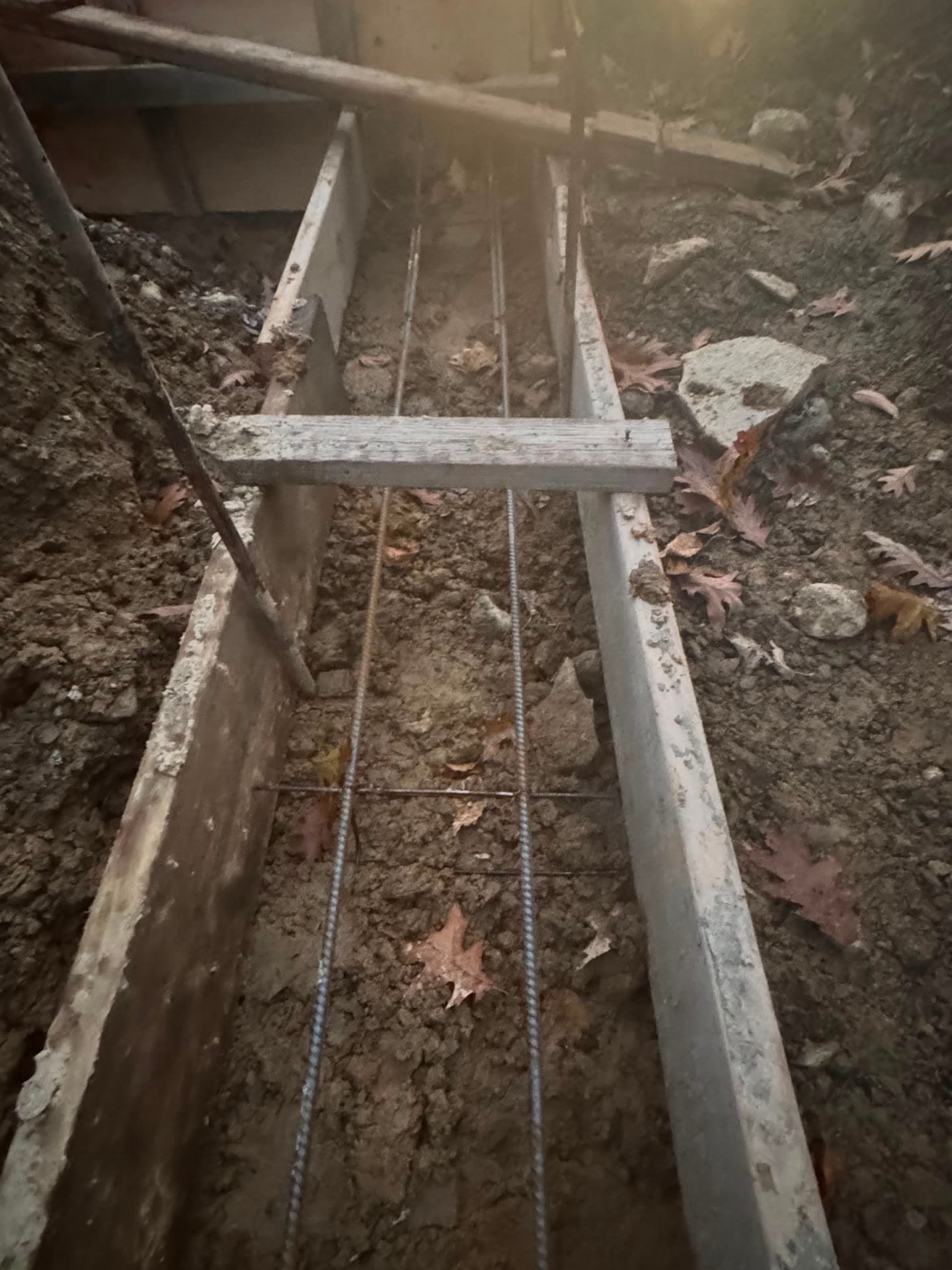
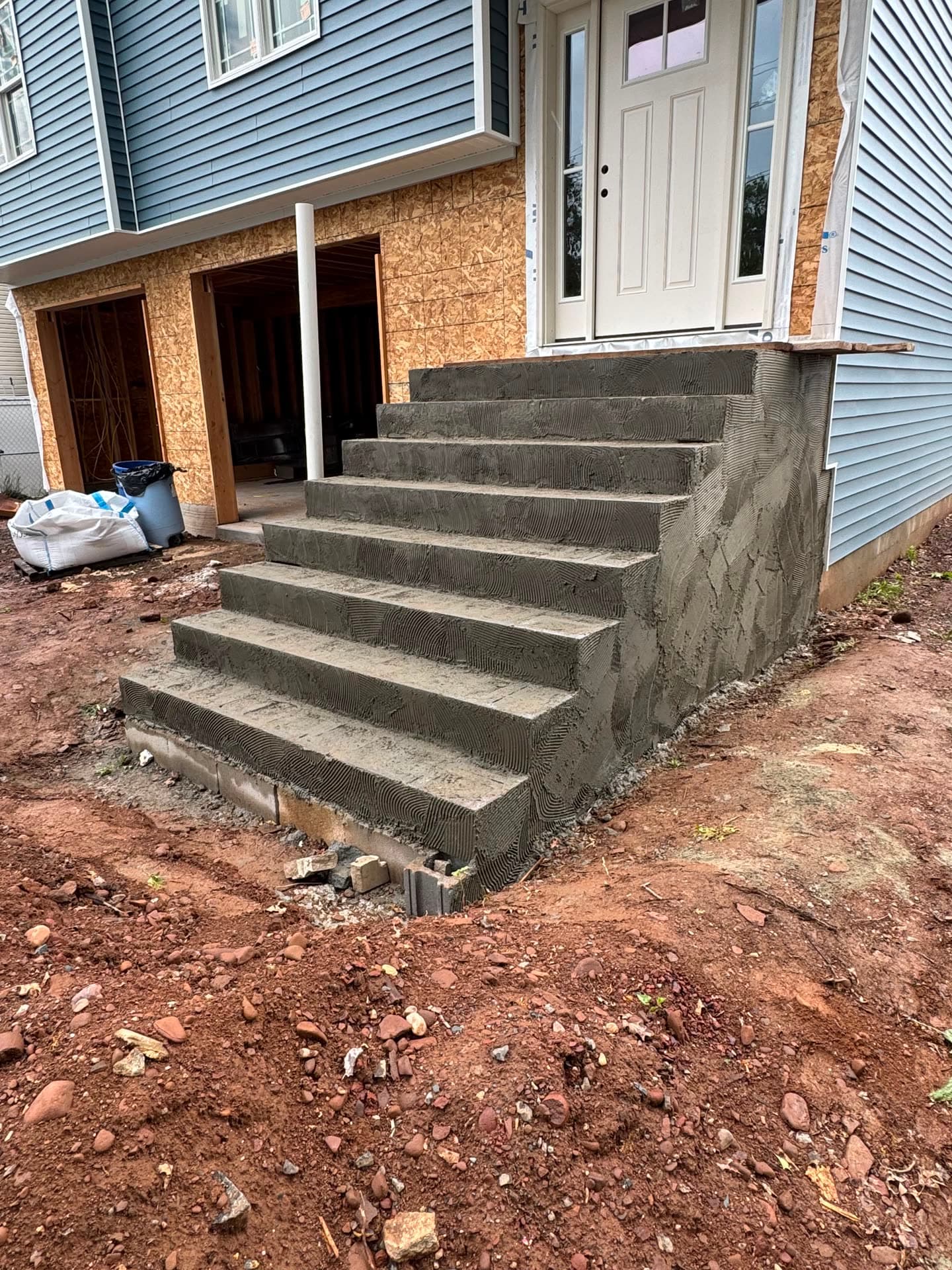
A crack in your driveway or a chipped patio corner does not automatically mean you need to rip everything out and start over. Some damage is cosmetic and holds up fine after a patch. Other damage is a symptom of something failing underneath, and patching it just buys you a few months before it comes back worse.
The hard part for most homeowners is telling those two situations apart. Concrete looks solid, so it is easy to assume any visible problem is minor, or to panic and assume the whole slab is done. Neither guess is reliable.
This guide walks through the signs that point toward a straightforward repair, the ones that point toward full replacement, and how age, drainage, and New Jersey winters change the math. Use it to have a sharper conversation when you get your concrete looked at.
When a repair usually makes sense
Repair is the right call when the damage is limited, on the surface, and the slab underneath is still doing its job. In these cases a patch, seal, or partial fix restores the look and function without the cost of tearing everything out.
The key question is whether the problem is contained to one area and whether the concrete is still structurally sound below the visible damage. If it is, a targeted repair is usually the smarter spend.
- Hairline and surface cracks that are not moving or widening over time
- Minor spalling or flaking on the top layer, often from de-icing salt exposure
- Small settling in one corner or along one edge rather than across the whole slab
- A single damaged section (one panel, one step, one stretch of curb) while the rest is solid
- Cosmetic pitting or discoloration where the slab itself is still level and stable
When replacement is the smarter move
Replacement stops being the expensive option and starts being the honest one when the damage is structural, widespread, or tied to a problem below the surface. Patching those cases tends to fail again quickly, so you pay twice.
The tell is usually that the concrete is not just cracked, it is moving, sinking, or lifting, or the same spot keeps breaking no matter how many times it gets patched. That points to a foundation-level cause, not a surface one.
- Deep or structural cracks wider than about a quarter inch, especially ones you can feel through the full thickness
- Widespread heaving where multiple sections have lifted or tilted unevenly
- A failed or washed-out sub-base, so the slab is no longer fully supported underneath
- Sections you have already repaired more than once that keep cracking in the same place
- Water pooling or draining under the slab, which erodes the base and undermines any patch on top
How age and NJ freeze-thaw change the math
Concrete has a working life. A driveway or walkway that is 25 to 40 years old and showing damage across the whole surface is often near the end of it, and repeated repairs on old concrete rarely pay off. Newer concrete with isolated damage is a much better candidate for a targeted fix.
New Jersey adds a specific stress: freeze-thaw cycling. Water seeps into small cracks and pores, freezes and expands overnight, then thaws during the day. Over a Union County winter that cycle repeats dozens of times, prying cracks wider and popping the surface layer off (the flaking you see every spring).
That is why a crack you could have sealed cheaply in the fall can turn into a structural problem by March if water is getting into it. Timing repairs before winter, and sealing sound concrete to keep water out, protects the slab you already have and pushes back the day you need a full replacement.
Cost and lifespan trade-off
Repairs almost always cost less up front than a full tear-out and repour, so on price alone a repair looks like the obvious winner. The real comparison is cost against how many more years you get.
A well-placed repair on sound concrete can add years of service for a fraction of replacement cost. But repeated repairs on a failing slab stack up, and it is common to spend more patching a slab over a few seasons than one clean replacement would have cost, with a worse result. A fresh, properly poured and reinforced slab generally lasts far longer than another round of patchwork on a compromised one.
Because material and site conditions vary so much (size, thickness, access, sub-base work, reinforcement), any number you read online is a rough market range at best. The only way to know the real trade-off for your slab is an on-site look. JCS Construction offers a free estimate, so you can compare the actual repair cost against replacement for your specific project before deciding.
Resurfacing and overlays: the middle option
Between a small patch and a full tear-out sits resurfacing, sometimes called an overlay. A thin new layer of concrete or a polymer-modified topping is bonded over the existing slab to restore a clean, uniform surface.
This works well when the slab underneath is still structurally sound but the top has gone cosmetic-ugly: surface cracking, flaking, staining, or a worn finish. It refreshes the look and adds a protective layer for less than replacement.
What resurfacing cannot do is fix a structural problem. If the base has failed, the slab is heaving, or deep cracks run through the full thickness, an overlay just hides the issue for a while before it telegraphs back through. Resurfacing is a finish upgrade, not a structural repair, so the sub-base has to be sound first.
A simple decision checklist
Run your concrete through these questions. The more answers that point one direction, the clearer your call. If you land in the middle, an on-site inspection settles it fast.
- Is the damage in one spot, or spread across the whole slab? (One spot leans repair; everywhere leans replace.)
- Are the cracks shallow and stable, or deep and widening? (Stable leans repair; moving leans replace.)
- Is the slab still level, or is it sinking, tilting, or lifting? (Level leans repair; moving leans replace.)
- Have you already patched this same area before? (First time leans repair; repeat leans replace.)
- Does water pool on or drain under the slab? (Good drainage leans repair; standing or under-slab water leans replace.)
- How old is the concrete? (Newer leans repair; decades old and failing leans replace.)
- Is the surface ugly but the base solid? (That is the case where resurfacing may be the best value.)
Free Estimate
Talk to a Local Contractor
Jose Carlos and the JCS crew serve Elizabeth and Union County. Get a written estimate with no pressure.
Related Services
Serving